
 By Admin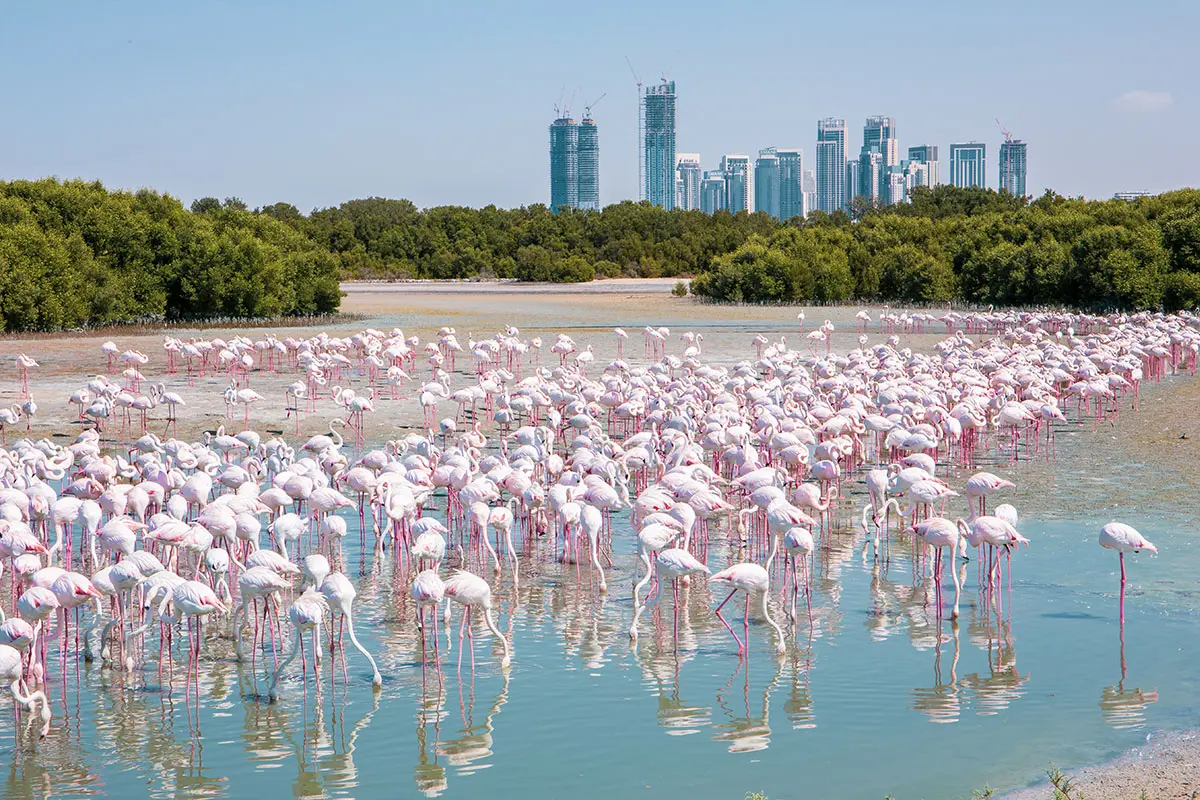
What is Ras Al Khor?
Ras Al Khor serves as a vital ecological zone in Dubai, providing residents with a unique opportunity to engage with an extensive range of wildlife, particularly during migration periods. This protected wetland area is home to over 450 bird species, including the striking flamingos that can often be observed in the lagoons, especially from October to April.
As you navigate through the mangroves, you’ll encounter diverse marine life such as various fish and crabs, contributing to the area’s rich biodiversity. The mudflats and lagoons are not just visually striking but also play a critical role in Dubai’s environmental health by acting as natural filters for water and providing a habitat for wildlife.
For Dubai residents, Ras Al Khor is more than just a nature reserve; it functions as an essential part of the emirate’s ecosystem, promoting conservation and sustainable practices. It’s an ideal spot for nature enthusiasts seeking a tranquil escape from the city while also being an accessible destination from neighborhoods like Downtown Dubai or Dubai Creek.
Why Visit Ras Al Khor?
Ras Al Khor Wildlife Sanctuary offers Dubai residents an exceptional opportunity to connect with nature without straying far from urban life. This protected area spans over 6.2 square kilometers and serves as a vital habitat for more than 450 species of wildlife, including the iconic flamingos that flock here during the winter months.
Visitors can explore the well-maintained boardwalks, which provide optimal viewing spots for birdwatching and photography. The sanctuary’s diverse ecosystems, comprised of mangroves, lagoons, and mudflats, create a rich environment for picnics and family outings. For those using public transport, the RTA bus service and nearby parking options make access convenient.
Moreover, Ras Al Khor serves as a peaceful escape from the fast-paced city, allowing residents to recharge amidst stunning natural scenery. Whether you’re an avid birdwatcher or simply seeking a serene day out, this sanctuary promises an enriching experience that highlights Dubai’s commitment to preserving its natural heritage.
Best Time for Flamingo Spotting
For the best chance to see Dubai’s stunning flamingos, plan your visit between October and March during cooler weather.
Season: October to March (Peak Winter)
As the weather cools in Dubai from October to March, the winter months provide an optimal opportunity for residents to observe flamingos in their natural habitats, particularly at Al Qudra Lakes. This area is not only renowned for its stunning landscapes but also serves as a gathering site for these elegant birds, making it an ideal destination for birdwatching enthusiasts.
To enhance your flamingo spotting experience, consider bringing binoculars. A quality pair will allow you to appreciate the intricate details of these magnificent birds from a respectful distance, ensuring you do not disturb their natural behavior. Additionally, it’s crucial to adhere to designated paths while exploring the wetlands. By maintaining a safe distance, you contribute to the preservation of the flamingos’ habitat and ensure their continued thriving in the area.
For residents looking to expand their environmental engagement, volunteering with local conservation groups focused on wildlife protection can also enrich your experience. Organizations such as the Dubai Wildlife Protection Office often hold events that promote awareness and education about local fauna, fostering a deeper connection with the natural world right here in Dubai.
Time of Day: Early Morning or Late Afternoon
When planning a visit to Al Qudra Lakes for flamingo spotting, the time of day significantly influences your experience. Early morning is ideal, as the cool air invigorates the flamingos, making them more active. This period allows you to observe them wading through the water, foraging for food, while the soft morning light enhances your photography opportunities.
Conversely, visiting in the late afternoon offers a different but equally rewarding experience. During this time, flamingos often congregate in larger flocks as they prepare to roost for the night. This behavior creates a unique spectacle, particularly when they take to the skies heading back to their resting spots.
For residents, accessing Al Qudra Lakes is convenient via a short drive from Dubai, and the serene environment provides a perfect escape from city life. Whether you choose morning or late afternoon, each visit promises a memorable encounter with these magnificent birds, enriching your understanding of Dubai’s diverse wildlife.
High Tide Viewing
High tide viewing provides an excellent opportunity for flamingo spotting along Dubai’s coastlines, particularly in areas like Ras Al Khor Wildlife Sanctuary, where these magnificent birds thrive. To enhance your experience, timing is crucial; early mornings or late afternoons offer optimal lighting and feeding activity, increasing your chances of observing them in their natural habitat.
When planning your visit, prioritize locations known for abundant wildlife, such as the Dubai Creek or the lagoons near Jumeirah. These spots attract larger flocks of flamingos, making them ideal for both casual observers and photography enthusiasts. Additionally, consider using local services like Careem for convenient transportation to these areas.
Lastly, patience is essential. Remain quiet and still to avoid disturbing the flamingos, allowing you to fully appreciate their elegant movements. Engaging with fellow enthusiasts or joining guided tours can also enhance your understanding and enjoyment of Dubai’s unique avian life.
Viewing Platforms
When exploring Dubai’s nature, be sure to visit the Three Bird Hides for an unforgettable birdwatching experience. Next, discover other exciting natural attractions nearby.
The Three Bird Hides
Discover the Three Bird Hides for incredible wildlife viewing, featuring the Flamingo Hide, the Mangrove Hide, and the Lagoon Hide for unique birdwatching experiences.
Flamingo Hide (Main Platform)
The Flamingo Hide in Dubai is an essential destination for residents seeking an immersive experience with local wildlife. This viewing platform allows you to connect with the vibrant ecosystem that thrives within the Dubai wetlands, particularly the mesmerizing flamingos that inhabit this area.
When you visit the Flamingo Hide, you can observe these stunning birds up close, noting their unique behaviors and interactions. The area is strategically located within the Ras Al Khor Wildlife Sanctuary, which is home to various species of birds and other wildlife, making it a prime spot for nature enthusiasts.
Additionally, you will have the opportunity to engage with knowledgeable guides who can provide insights into the flamingos’ habitat, feeding patterns, and migratory behaviors. For residents, this experience not only enriches your understanding of local biodiversity but also promotes conservation efforts within the UAE. Don’t forget to bring your camera, as capturing these moments is a great way to share your experience with friends and encourage others to appreciate Dubai’s natural beauty.
Mangrove Hide
The Mangrove Hide in Dubai offers residents an exceptional chance to engage with the region’s diverse ecosystem. This unique nature reserve is home to a variety of wildlife, from playful crabs to vibrant birds, making every visit a rewarding experience. For a structured wildlife spotting experience, consider the five distinct viewing platforms available.
Platform 1, located on the East Side, is ideal for observing herons and crabs, while Platform 2 on the West Side provides a great vantage point for spotting kingfishers and fish. For those interested in larger birds, Platform 3, situated in the center, allows for sightings of egrets and ospreys. If you’re keen on observing unique species, head to Platform 4 at the North End to see flamingos and turtles. Finally, Platform 5 at the South End offers glimpses of snakes and the iconic mangrove trees. Each platform enhances your understanding of Dubai’s coastal ecosystem and its crucial role in biodiversity.
Lagoon Hide
The Lagoon Hide presents an exceptional opportunity for Dubai residents to engage with local wildlife while enjoying breathtaking natural vistas. This destination is particularly renowned for its diverse avian population; birdwatchers can expect to witness unique species such as the flamingo and heron, which are often spotted gliding across the lagoon.
Access to the Lagoon Hide is facilitated by comfortable viewing platforms designed to accommodate visitors of all ages, making it an inclusive spot for families and nature enthusiasts alike. The strategically placed platforms enhance the experience, allowing for unobstructed views of the surrounding landscape.
Educational signage throughout the area enriches the visit by providing insights into the local ecosystem and conservation efforts. This educational aspect aligns with Dubai’s commitment to environmental sustainability, as highlighted by government initiatives such as the Dubai Sustainable City project. Residents are encouraged to immerse themselves in this tranquil setting, promoting a deeper appreciation for the natural beauty that exists within the urban environment.
How to Visit
If you need to disconnect your district cooling service with Empower or Emicool, the process is straightforward for Dubai residents. Start by locating the nearest office online; Empower operates from its head office on Jumeirah Beach Road, while Emicool has branches in areas like Dubai Motor City and Mirdif Uptown. Each location is well-connected via public transport, making it accessible.
When planning your visit, adhere to the working hours, which typically run from Monday to Friday, in the morning until late afternoon. To ensure a smooth experience, gather essential documents such as your Emirates ID and tenancy contract before heading out. This preparation can reduce wait times and expedite the disconnection process.
Upon arrival, expect a queue, as many residents may have similar needs. Once it’s your turn, the staff will assist you efficiently, guiding you through the necessary steps to successfully disconnect your service. This proactive approach not only saves time but also ensures compliance with local regulations.
Tips for the Best Experience
Disabling your district cooling service in Dubai can be straightforward with the right approach. To ensure a seamless disconnection process, follow these practical guidelines tailored for residents.
Initiate the cancellation at least 3–5 days prior to your move-out date. This timeframe allows you to address any unforeseen complications. Essential documents include your Emirates ID, tenancy contract, and security deposit receipt; having these ready streamlines the process. The Dubai Electricity and Water Authority (DEWA) has specific procedures for service disconnections, which may vary slightly depending on your cooling provider, so check their website for any updates.
Additionally, maintain a record of your final bill and the cancellation confirmation. These documents are crucial when dealing with your new landlord or if any disputes arise later. By adhering to these steps, you can mitigate delays and avoid unnecessary charges, making your moving experience in Dubai hassle-free.
What Else to See
While in Dubai, take the opportunity to discover its incredible wildlife, featuring stunning birds like herons and eagles, as well as the unique mangrove ecosystem.
Other Bird Species (Herons, Eagles, Waders)
As a Dubai resident, you’ll discover that the local avian landscape is not only diverse but also integral to the ecosystem. Among the prominent bird species in the region are herons, eagles, and waders, each playing a unique role in the environment.
Herons are commonly spotted along Dubai’s waterways, particularly in areas like Al Qudra Lakes and Ras Al Khor Wildlife Sanctuary. These tall, elegant birds exhibit patience as they stalk fish, often standing motionless for long periods. Observing their hunting techniques can enhance your appreciation for the local wildlife.
Eagles, such as the steppe eagle, can be seen soaring over Dubai’s expansive deserts and coastal areas. Their impressive wingspan and keen eyesight allow them to hunt efficiently, making them symbols of power and independence in the region. Birdwatching enthusiasts often frequent locations like the Dubai Desert Conservation Reserve to observe these magnificent birds in their natural habitat.
Waders, including sandpipers and plovers, are prevalent along the shores of Jumeirah Beach and the Dubai Marina. These agile birds forage for food in the sand and mud, often seen darting along the water’s edge. Their presence highlights the importance of coastal ecosystems in Dubai, which provide essential habitats for various wildlife species.
Engaging with these birds not only enriches your experience in Dubai but also emphasizes the importance of preserving the natural environment that supports such diverse wildlife.
Mangrove Ecosystem
Exploring the mangrove ecosystem in Dubai provides residents with a unique opportunity to engage with a vital natural habitat. The mangroves, particularly in areas like the Ras Al Khor Wildlife Sanctuary, serve as a crucial buffer for coastal protection and biodiversity.
The ecosystem is rich with various species of mangroves, such as the Red Mangrove, known for its stilt roots that support a diverse range of wildlife, including crabs and mudskippers. In contrast, the Black Mangrove features pneumatophores that allow for gas exchange, attracting herons and sandpipers. The White Mangrove, characterized by its higher tolerance for salinity, often shelters fish and snakes, making it an exciting area for wildlife observation.
Residents can enhance their experience by visiting nearby channels, where sightings of playful dolphins and vibrant fish are common. This unique ecosystem not only offers recreational opportunities but also serves as an educational resource for families eager to learn about Dubai’s natural heritage. Engaging with the mangrove environment reinforces the importance of conservation in urban settings like Dubai.